EN
EN
 fr
fr  de
de  es
es  ru
ru  th
th  pt
pt  ar
ar  tr
tr  af
af Email:
info@sinkcustom.com

What are you looking for?
A cutting board is an essential tool in any kitchen, serving as a reliable work surface for a variety of food preparation tasks. Cutting boards are available in a variety of materials and styles—with the chopping board for a round sink being a practical style tailored to curved sink layouts—and choosing the right one can significantly impact the cooking experience.
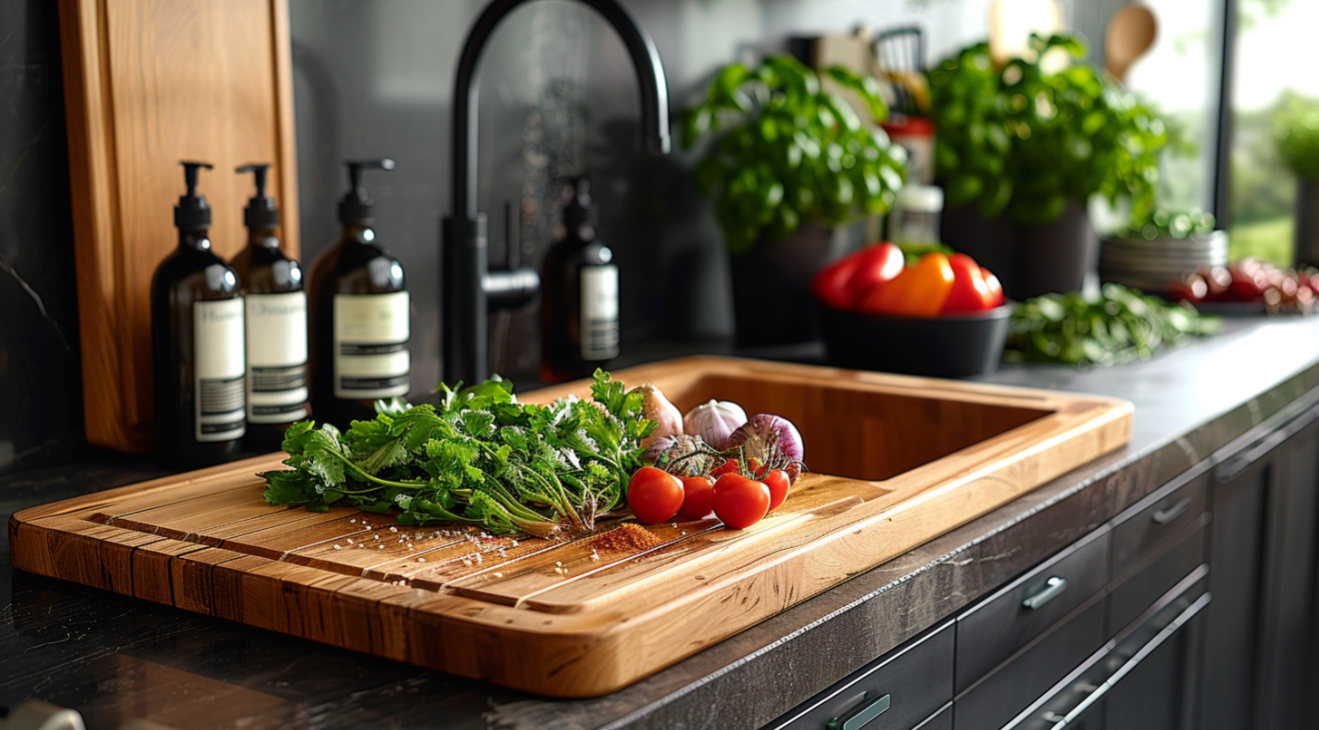
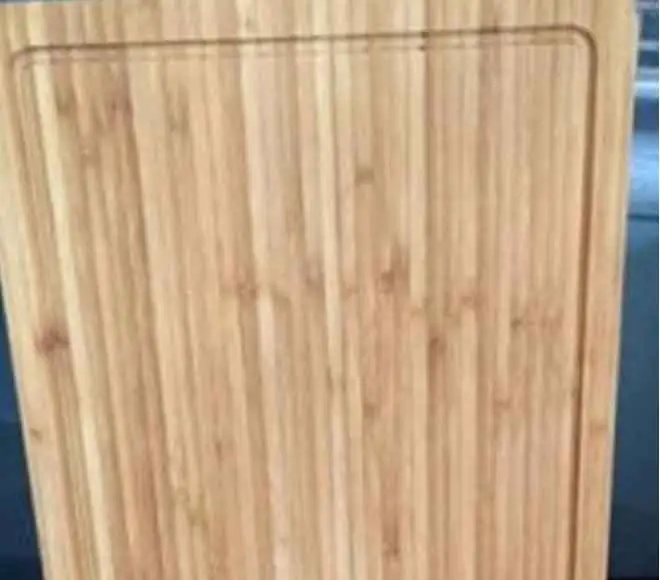
Wooden cutting boards are typically made from hardwoods like maple, sapele, or bamboo and are prized for their durability and beauty. They provide a strong, reliable surface for slicing fruits, vegetables, and meat, while being gentle on the edge to help maintain sharpness—a set of advantages that the wooden-style chopping board sink insert also inherits to fit seamlessly into kitchen sink areas. The wood cutting board over sink, in particular, leverages these advantages to fit seamlessly into kitchen sink areas, offering a space-saving wooden prep surface that aligns with the functionality of sink-adjacent food preparation. Additionally, a well-fitted sink cutting board insert enhances kitchen efficiency by creating a stable and hygienic extension of your workspace directly above the sink.
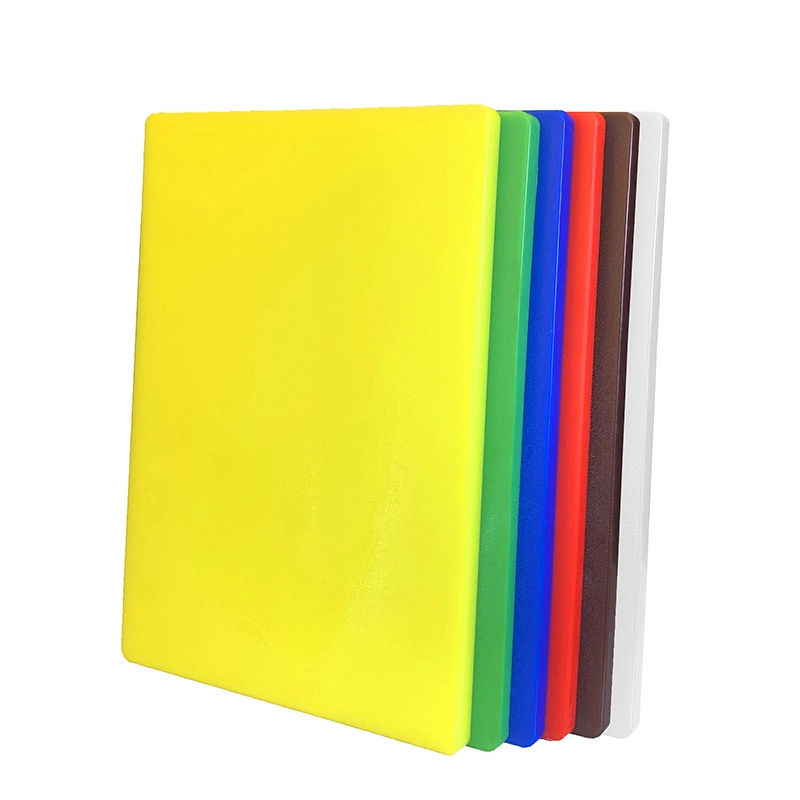
Plastic cutting boards, on the other hand, are lightweight, easy to clean, and often cost-effective—advantages that are also prominent in the chopping board for round sink designed for curved sink configurations. Their non-porous surface makes them resistant to moisture and odors, and these sink chopping boards are available in a variety of colors. This color-coding feature is especially useful for the double sink with chopping board, helping prevent cross-contamination when preparing different types of food in the dual-sink setup.
Considerations such as size, thickness, and maintenance requirements are equally important when choosing a cutting board. Larger boards provide plenty of room for cutting and carving, while thicker boards provide stability and prevent warping—key performance traits that are also carefully designed into the chopping board sink insert and the kitchen sink chopping board cover to adapt to the limited space of kitchen sink areas. A Tuogurong sink top chopping board is engineered to sit flush against the basin edges, effectively doubling your available counter space while maintaining a rock-solid surface for heavy-duty meal prep.
Regular maintenance, such as oiling a wooden cutting board or sanitizing a plastic cutting board, is crucial to extending its lifespan and ensuring food safety—maintenance practices that are equally essential for the cutting board paired with the double sink with chopping board and the practical wood cutting board over sink.
Ultimately, a well-chosen cutting board is an essential kitchen companion that aids in efficient meal preparation and creates a hygienic cooking environment. Understanding the properties of different cutting board materials and choosing one that meets the cooking needs—whether a traditional standalone board or the space-saving kitchen sink chopping board cover—could enhance the kitchen experience and enjoy the benefits of a reliable, versatile tool. It is worth noting that selecting a sink cutting board insert that precisely matches your sink dimensions maximizes the use of the space above the basin, creating a seamless and stable food preparation platform.
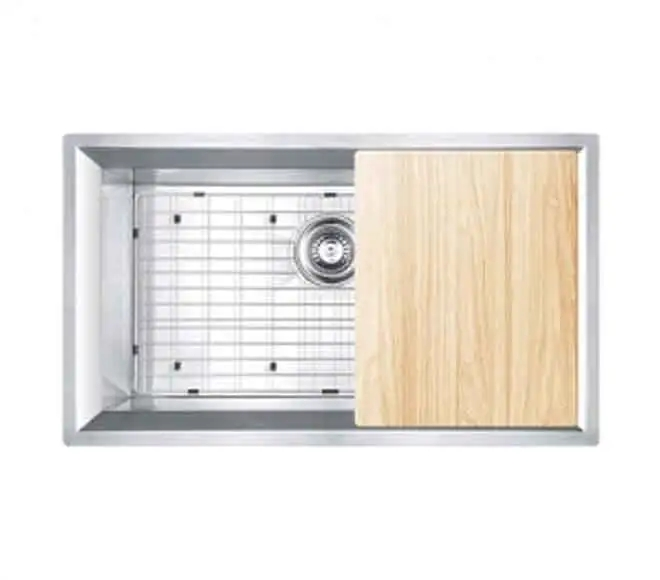
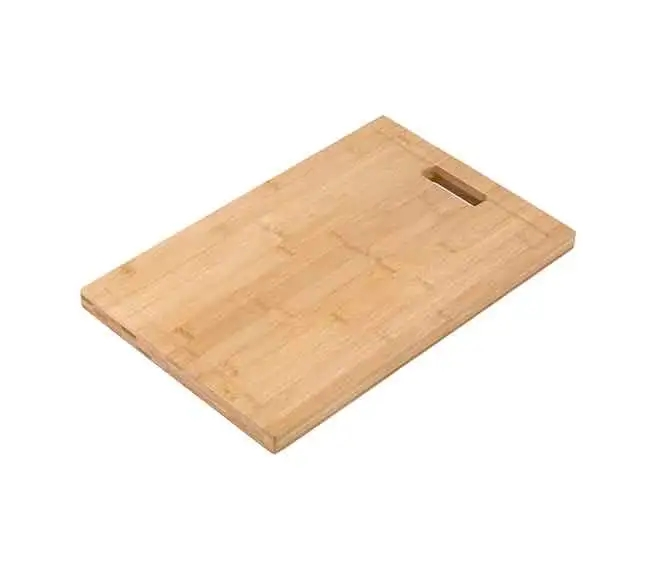
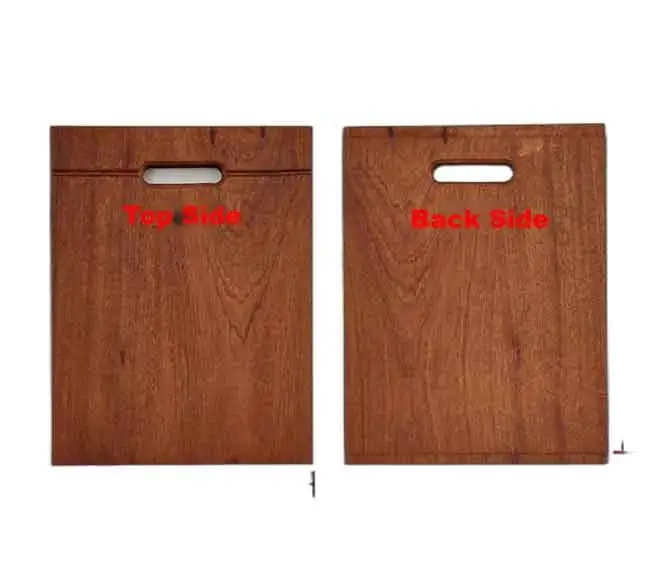
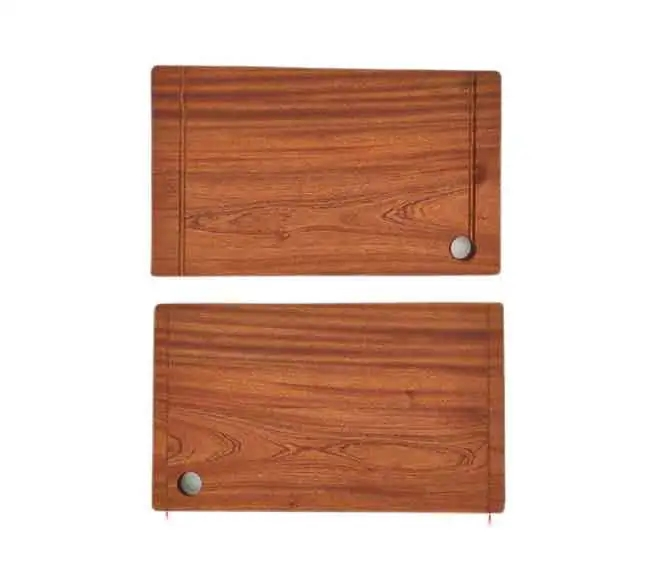
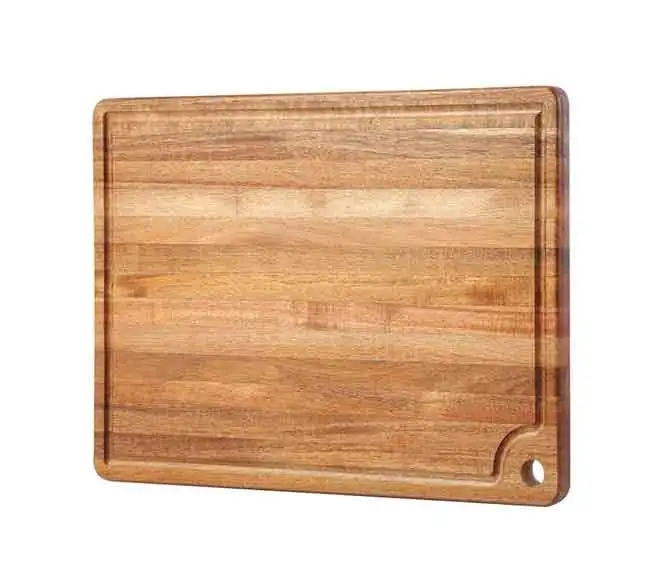
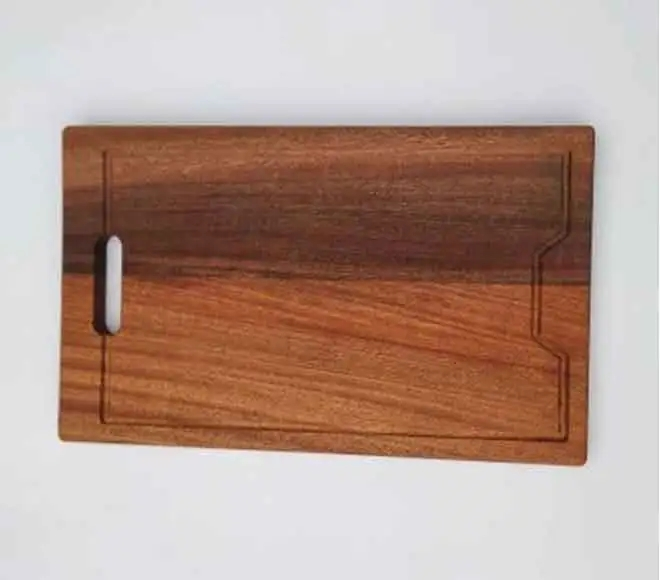
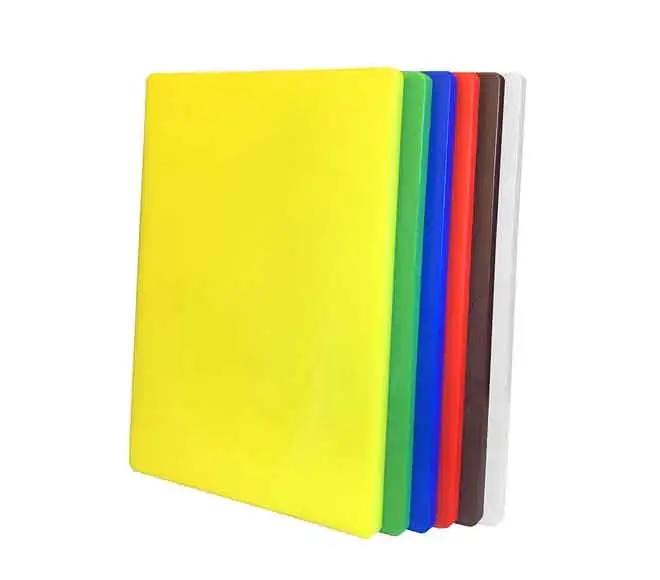
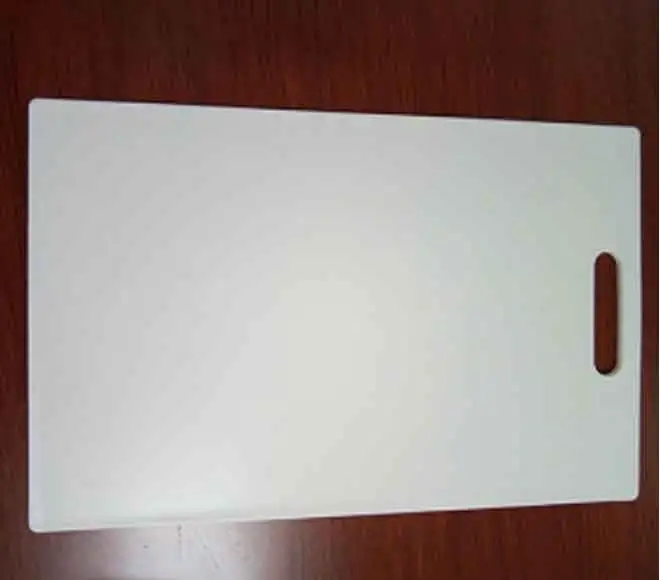
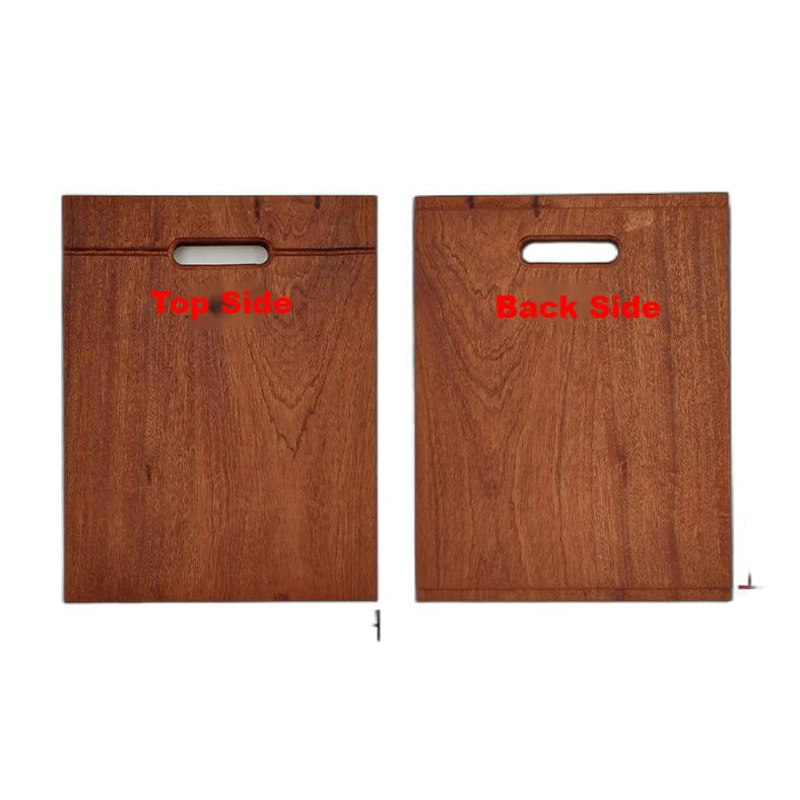
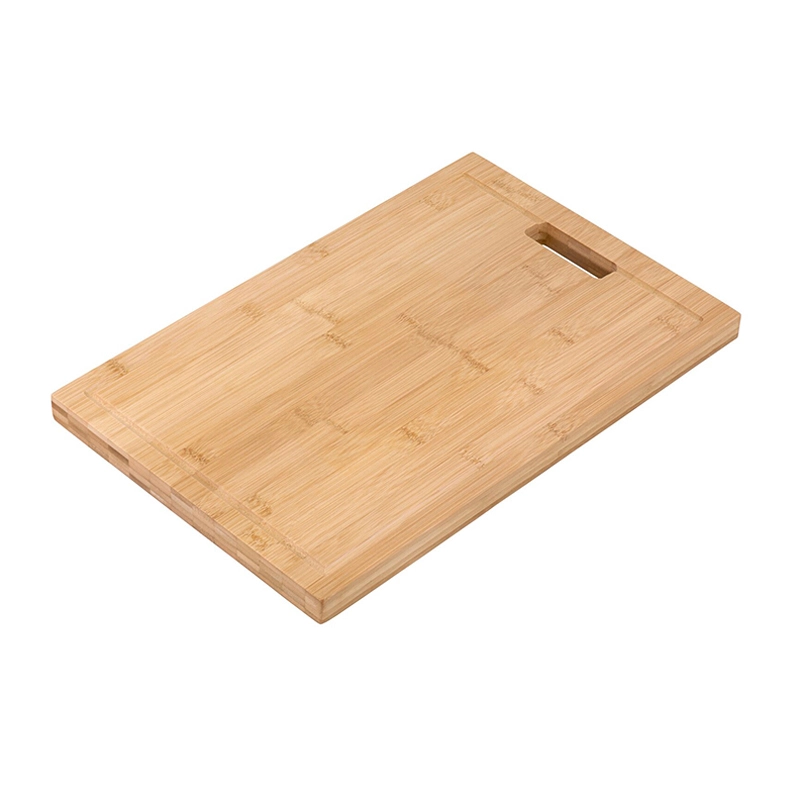
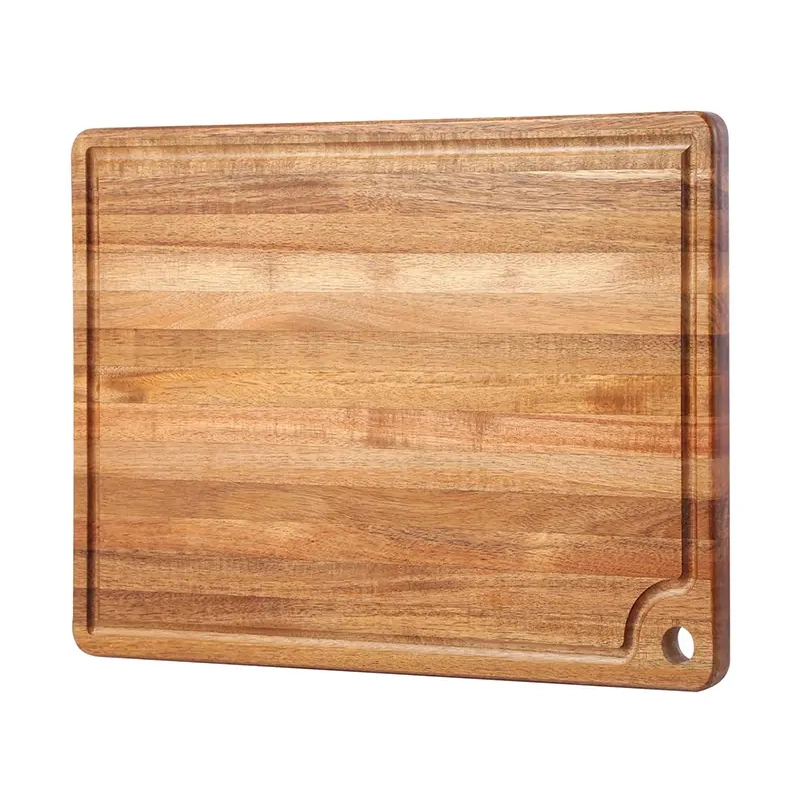
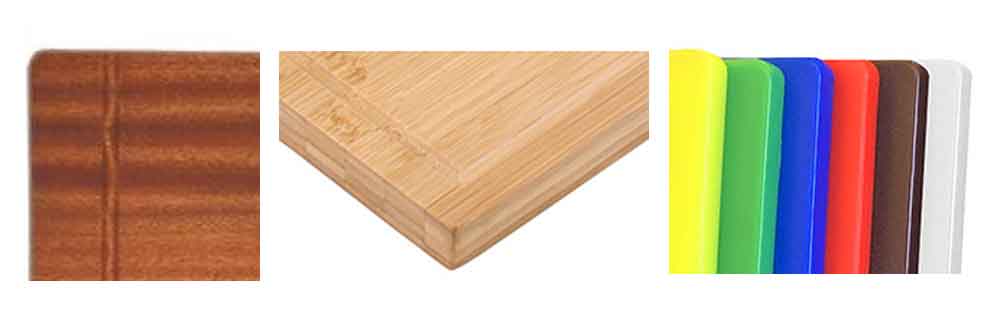
With Steps to perfect suit the sink size
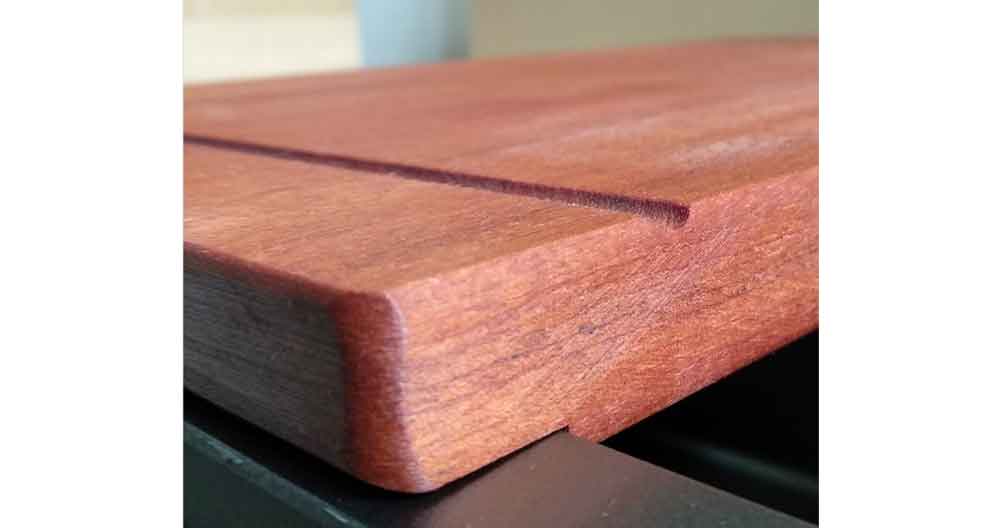
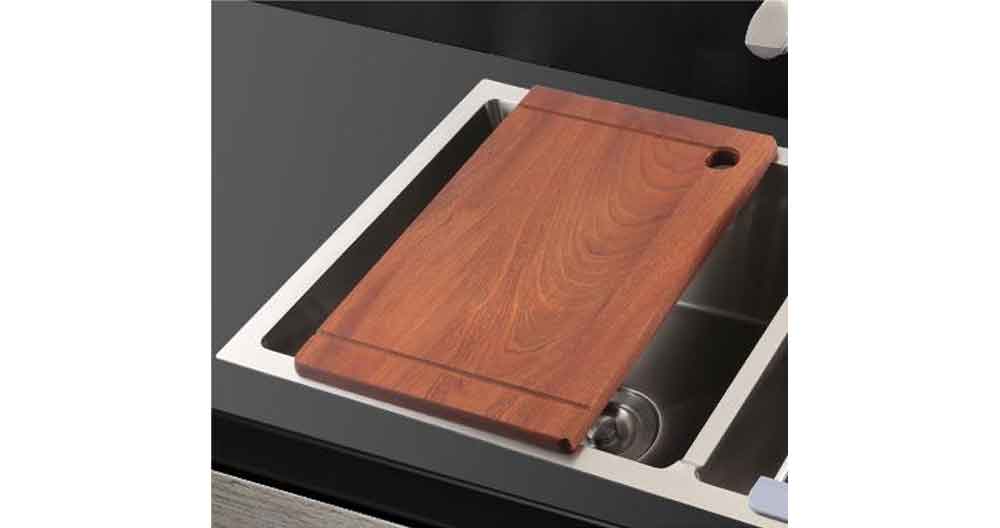
With beveled edge to perfect suit the sink size
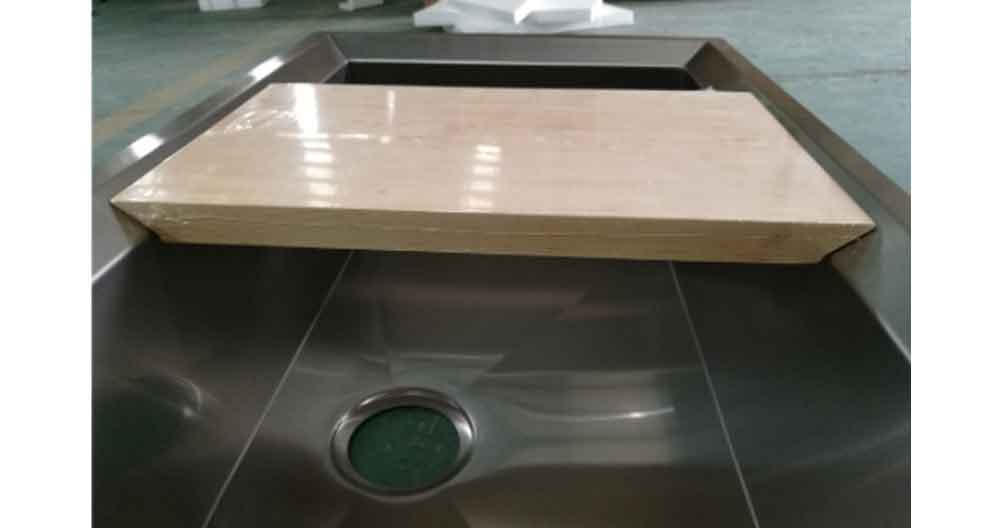
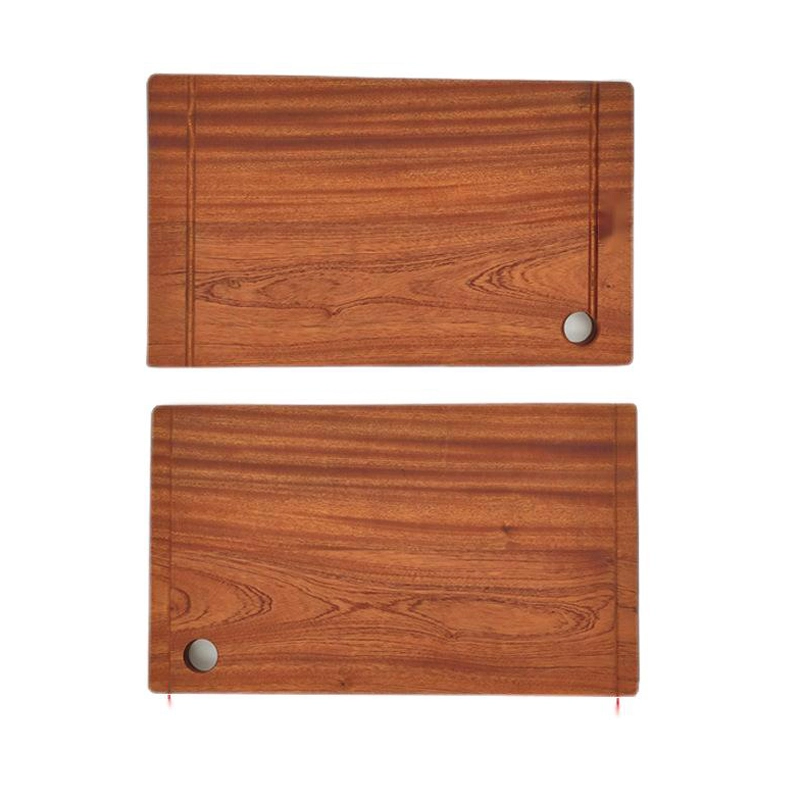
Used inside of the sink
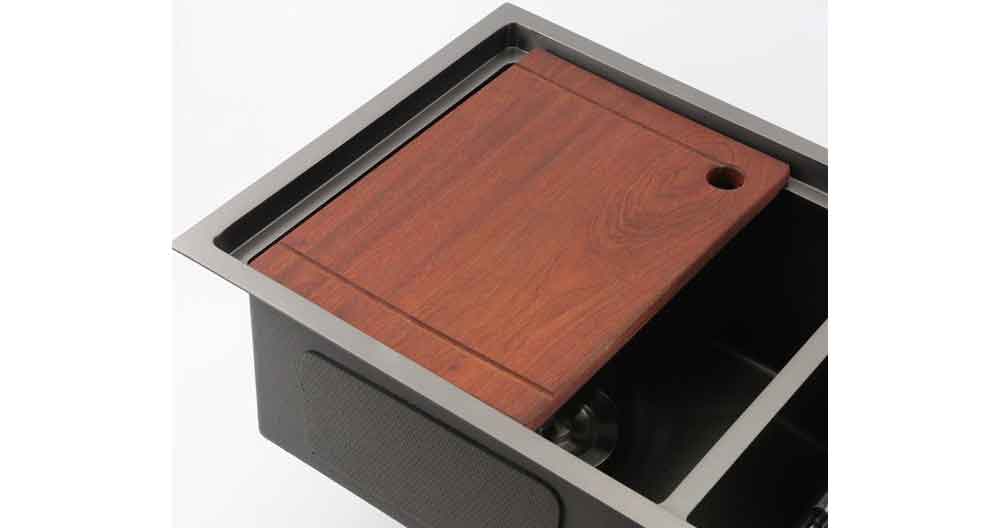
Used over top on the sink
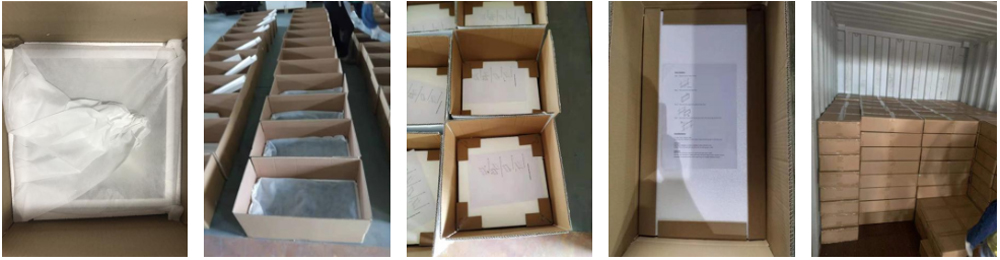
1. Carton: individual packing
| Material: | Wooden, Bamboo, PE or Custom | |||||||||||
| Thickness: | 20mm or Custom | |||||||||||
| Colour: | Material original color or as required | |||||||||||
| LOGO | Yes, Available! | |||||||||||
| MOQ: | 20pcs/Common Design, 100pcs/Custom Design | |||||||||||
| Shape: | Square or customzied | |||||||||||
| Applicational use: | Use with sink | |||||||||||
| Packaging: | 1. Individually boxed. | |||||||||||
| 2. Each one in inner boxes, 20pcs/master box | ||||||||||||
| 3. Combo 3-5pcs into the individual carton | ||||||||||||
| 4. Customized packing as per client's request | ||||||||||||
| Production Lead time: | 10-30 days, per to the quantity and surface finish. | |||||||||||
| Trade Terms: | FOB, EXW | |||||||||||
| Loading Port: | JiangMen, ShenZhen or GuangZhou in China | |||||||||||
| Payment Terms: | T/T, L/C, Paypal, Western Union, MoneyGram | |||||||||||